

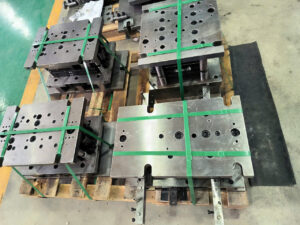
Stamping dies
Main characteristics
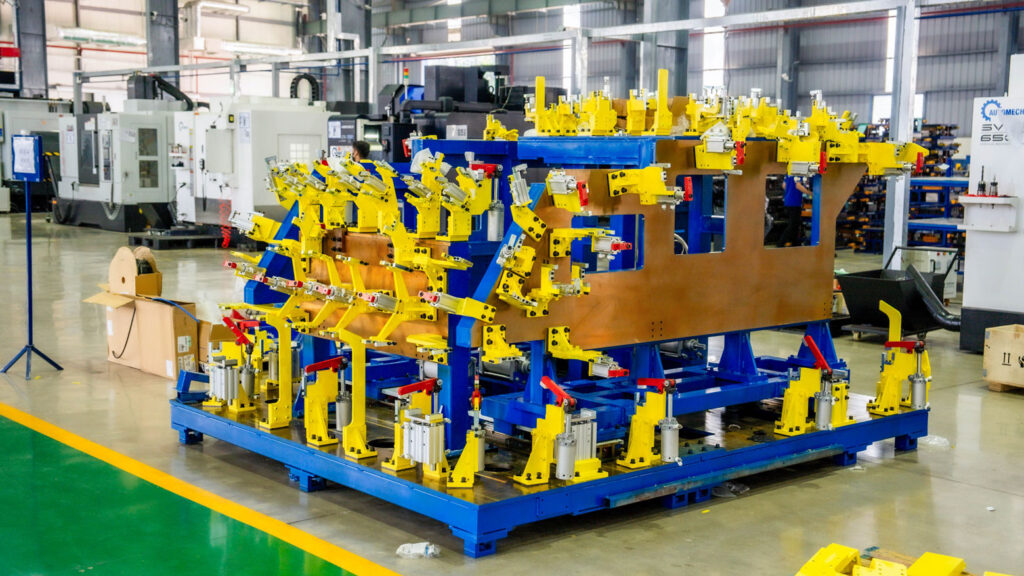
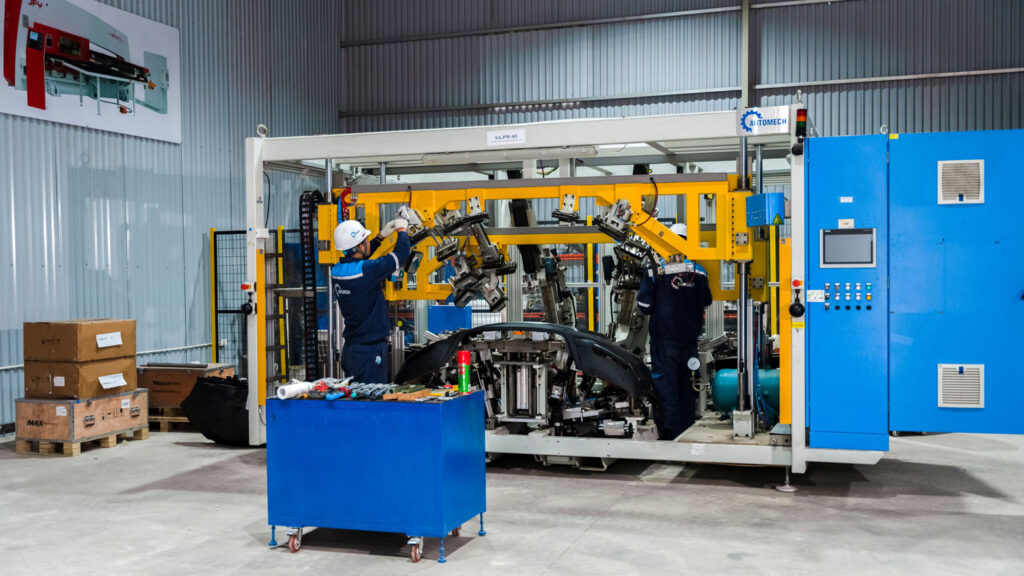
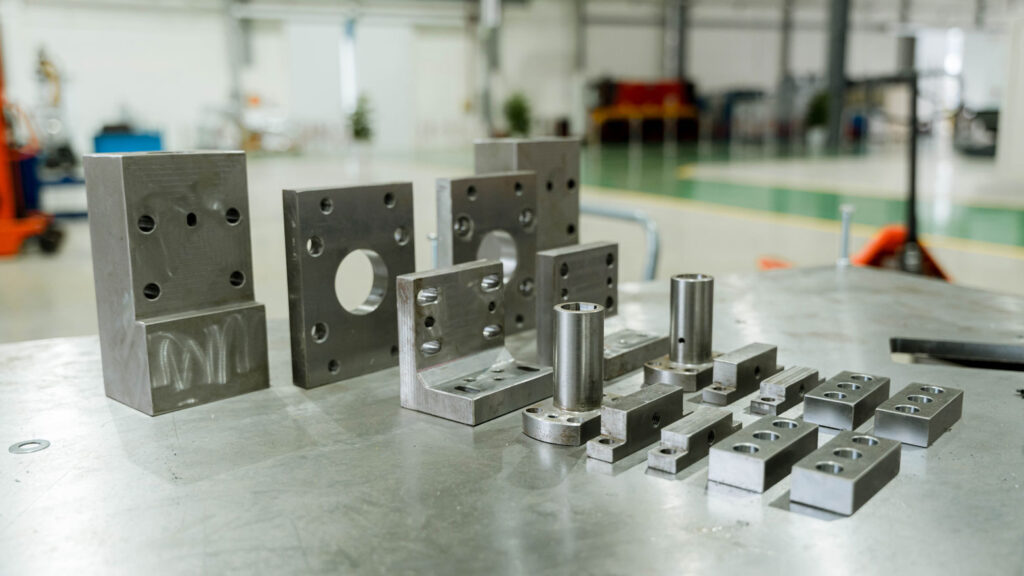
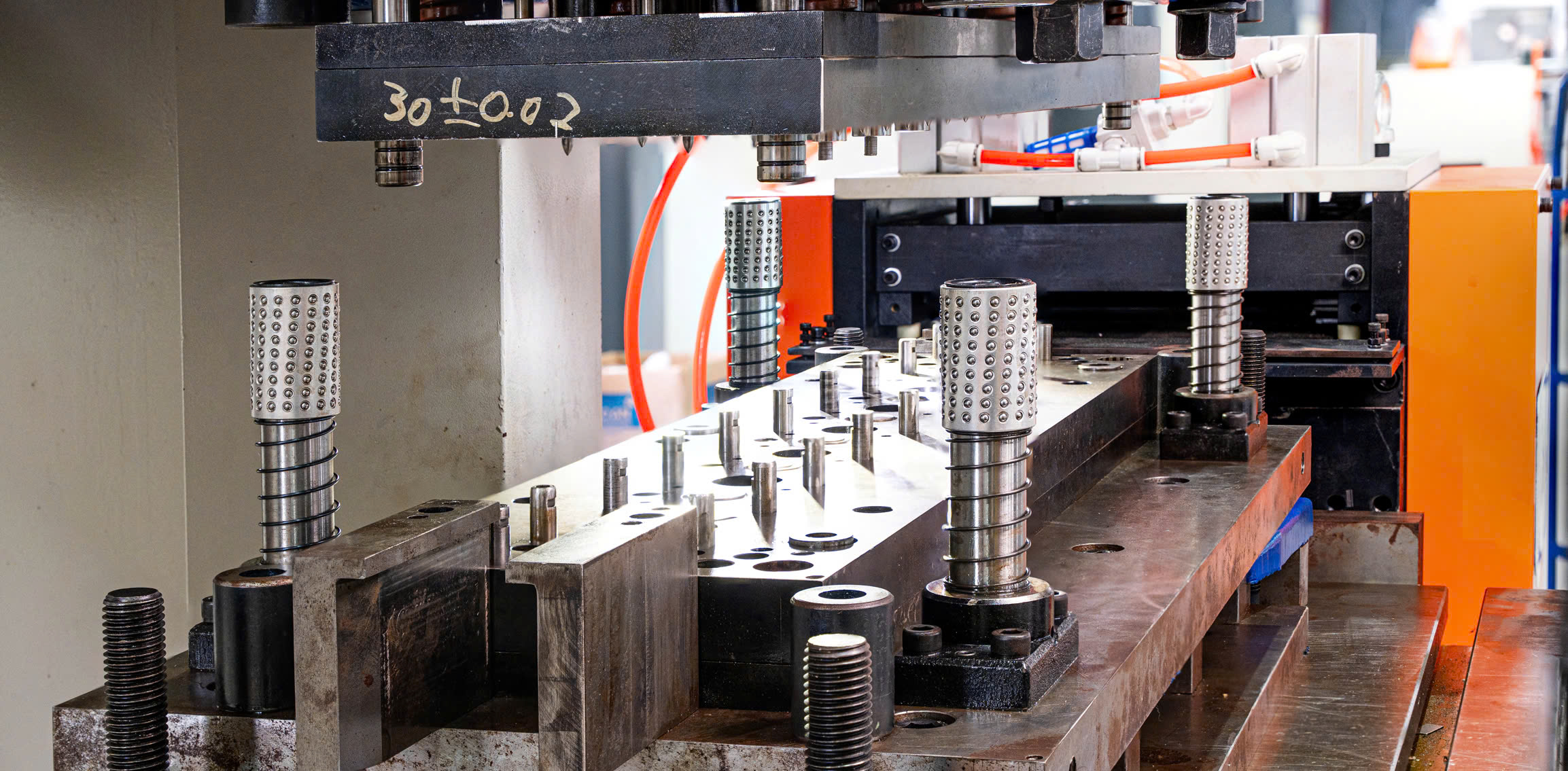
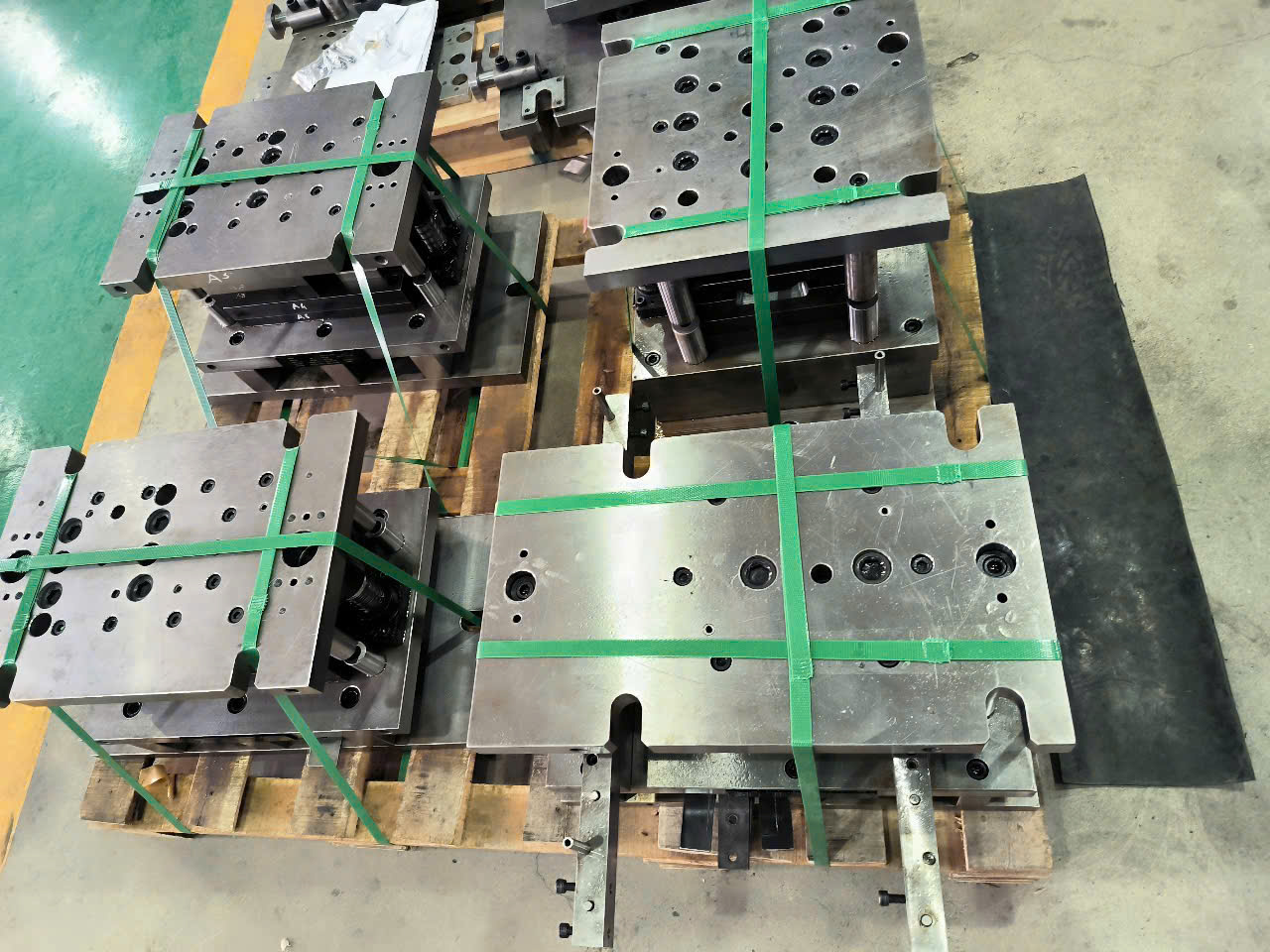
Automech’s stamping dies are designed and manufactured with high precision and exceptional durability, meeting the machining needs of the automotive, motorcycle, electronics, and home appliance industries. They help optimize production processes, reduce costs, and enhance efficiency.
🔹 High precision – Long-lasting durability
🔹 Custom design – Meeting all technical standards
🔹 Wide application across various industries
Dies Manufacturing Process
Step 1: Initial Workpiece Processing
- Select a suitable workpiece according to the customer’s drawings.
- Process the workpiece by grinding it flat, perpendicular, and parallel on both ends.
- Remove impurities and clean the surface to prepare for the next machining steps.
Step 2: Base Milling
- The base milling process is performed on CNC milling machines SP 3016 10K BBT50 and VP 2012 10K BBT50 from AWEA.
- With a large table size, high spindle speed, and a load capacity of up to 10,000kg, these machines can process large workpieces with high precision.
Step 3: Precision Milling
- Precision milling utilizes modern machines from renowned brands such as AWEA, Hwacheon, and SINO.
- These machines can handle workpieces of various sizes with high accuracy and surface smoothness, ensuring quality output for the next machining steps.
Step 4: Molipden Wire Cutting
- Using advanced Molybdenum wire-cutting machines from Bofeng, intricate and high-precision details are cut and refined.
- These machines are capable of cutting even complex parts.
Step 5: Precision Grinding
Step 6: Copper Wire Cutting
- To ensure the highest level of accuracy for customers, molds manufactured at Automech’s factory undergo processing with the Excetek VG800 Copper Wire-Cutting Machine, which offers precision up to ±0.005mm.
- With a machining size of 800x500x410mm, a taper angle of ±30°/100mm, and a controlled environment in an air-conditioned room, we can deliver high-precision, intricate, and complex molds.
Step 7: Assembly
- Before assembly, all components are inspected using measuring devices and CMM machines.
- Once the components meet the drawing specifications, the mold is assembled.
Step 8: CMM Inspection
- After machining and assembly, the mold undergoes CMM measurement to verify its dimensions and shape with high precision.
- Additional measuring tools such as ARM measuring devices, calipers, and surface plates are also utilized.
Step 9: Tryout
- Once the CMM inspection confirms the mold’s accuracy per customer specifications, a trial stamping is conducted, and a verification report is provided to the customer.
- Automech’s factory is equipped with stamping machines of various sizes for mold tryouts, ensuring that the mold produces the required parts correctly.
- Upon completion, customers will be notified and may visit the factory to observe the trial stamping process firsthand.
Application
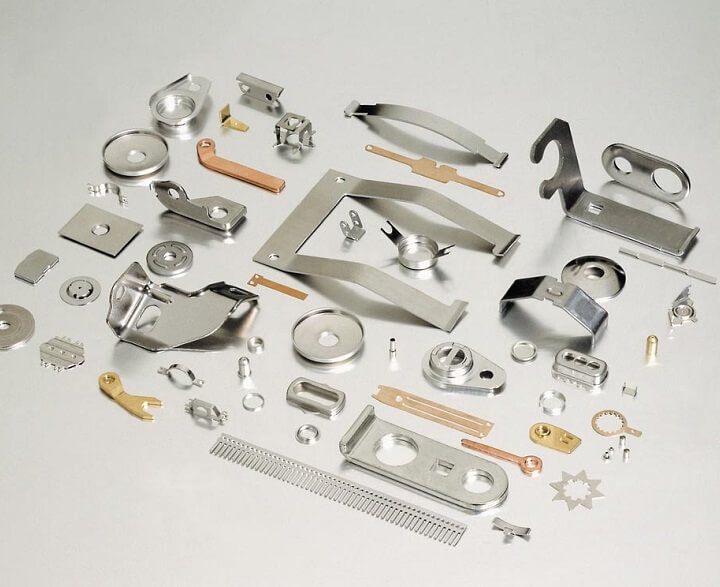
Stamping dies are widely used across various industries:
- Automotive & Motorcycle Industry: Production of body parts, vehicle frames, mechanical components, etc.
- Electrical & Electronics Industry: Processing of metal casings, shielding plates, circuit boards, etc.
- Household Appliance Industry: Stamping of kitchen appliance casings, fan components, washing machine parts, etc.
- Heavy Industry: Manufacturing of structural components, mechanical accessories, etc.