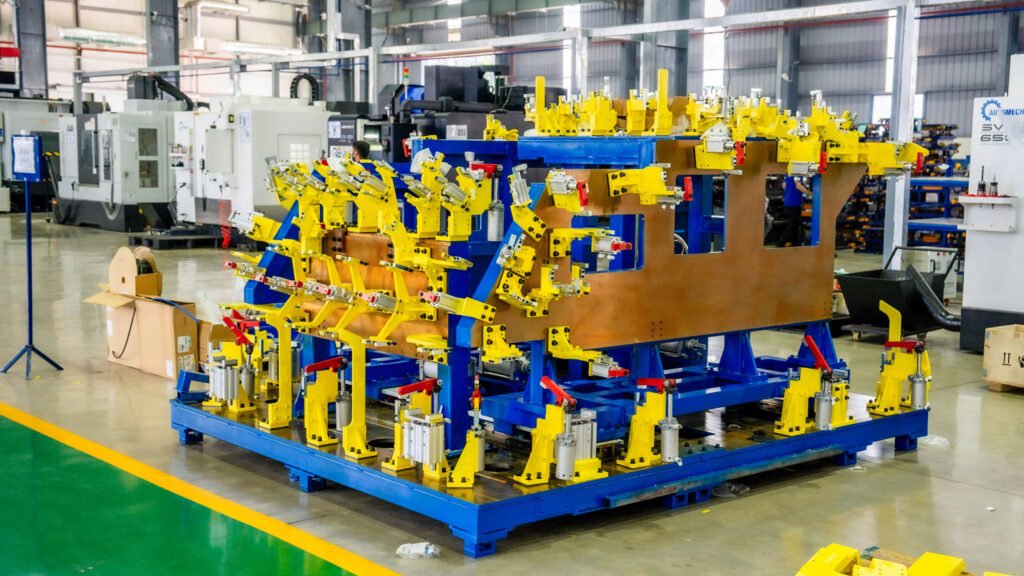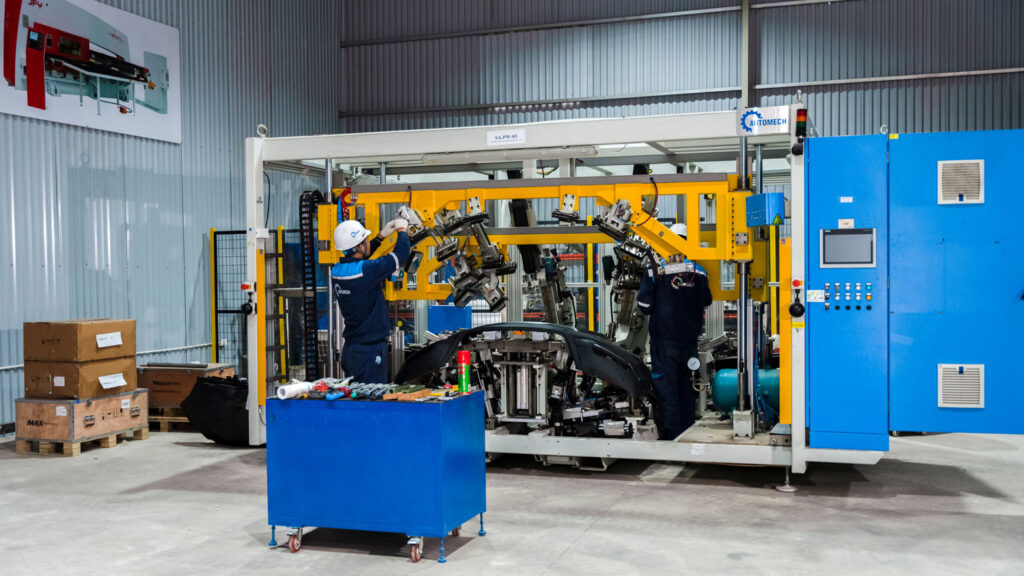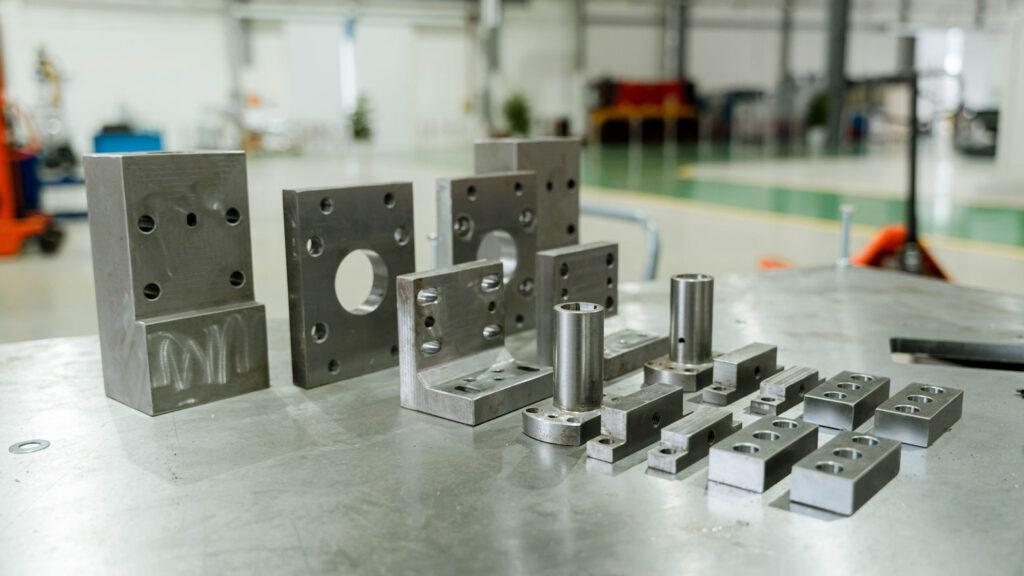


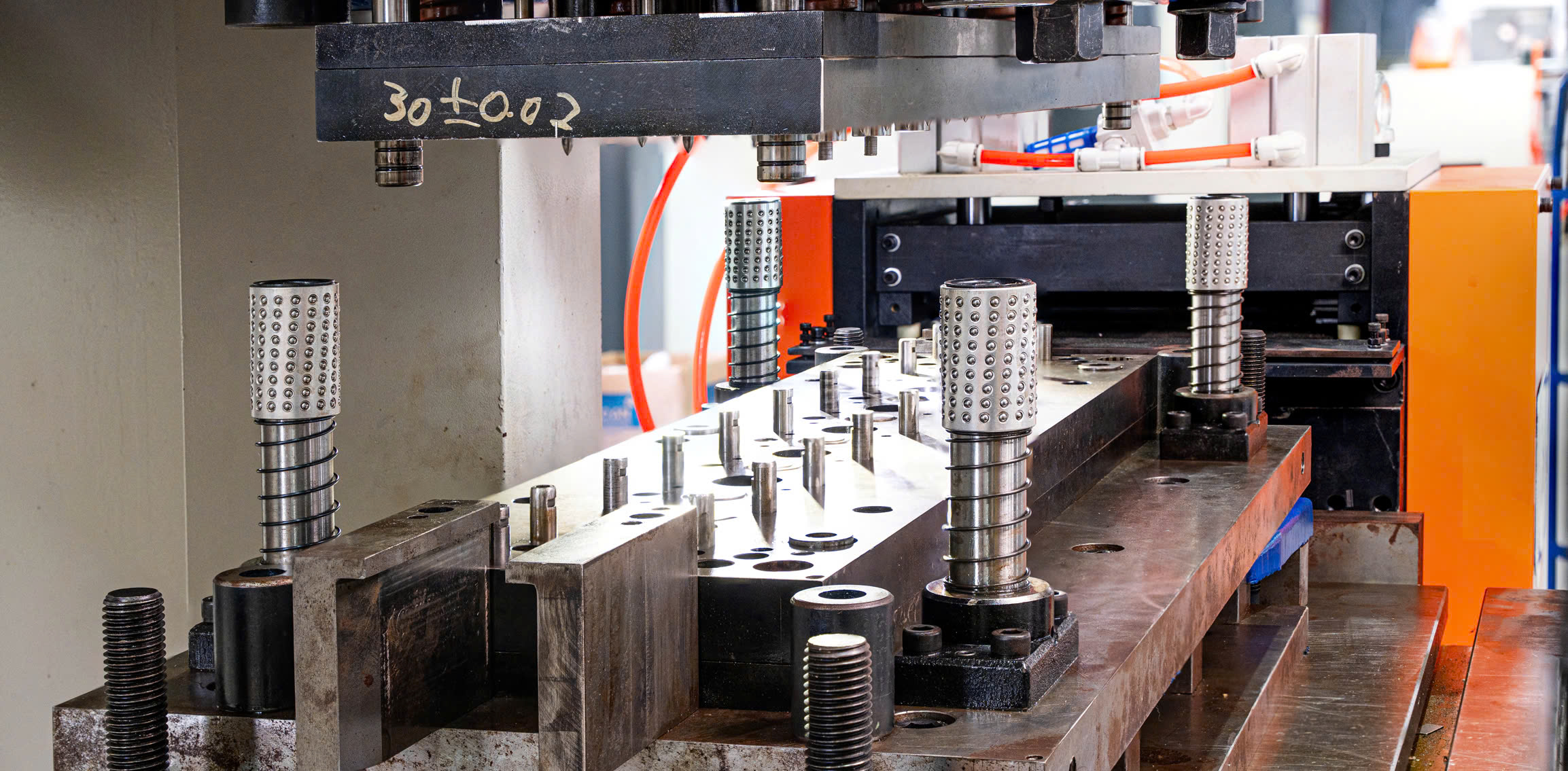
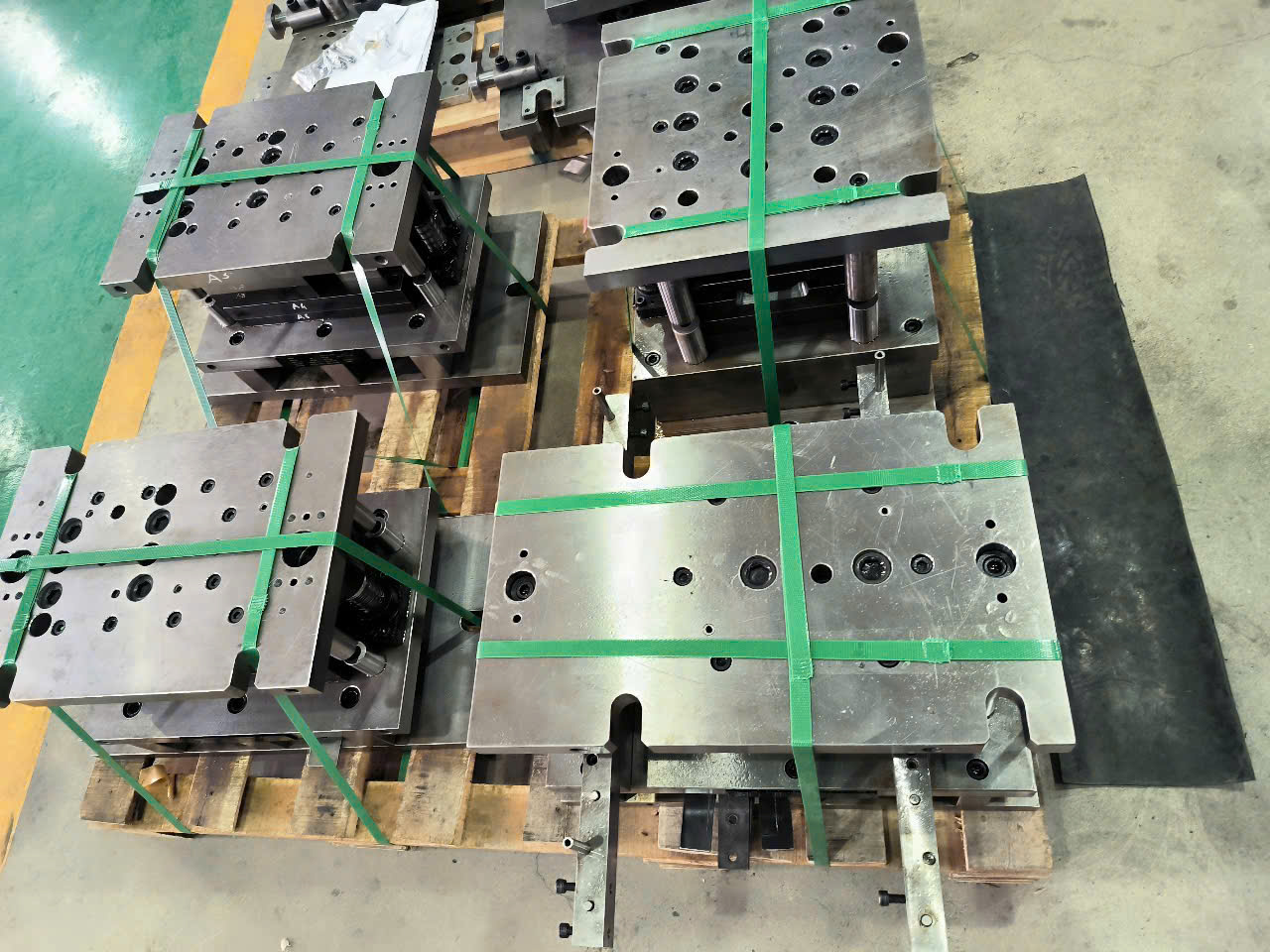
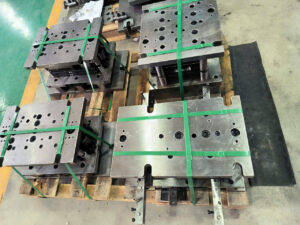
프레스 금형
Dies Manufacturing Process
Step 1: Initial Workpiece Processing
- Select a suitable workpiece according to the customer’s drawings.
- Process the workpiece by grinding it flat, perpendicular, and parallel on both ends.
- Remove impurities and clean the surface to prepare for the next machining steps.
Step 2: Base Milling
- The base milling process is performed on CNC milling machines SP 3016 10K BBT50 and VP 2012 10K BBT50 from AWEA.
- With a large table size, high spindle speed, and a load capacity of up to 10,000kg, these machines can process large workpieces with high precision.
Step 3: Precision Milling
- Precision milling utilizes modern machines from renowned brands such as AWEA, Hwacheon, and SINO.
- These machines can handle workpieces of various sizes with high accuracy and surface smoothness, ensuring quality output for the next machining steps.
Step 4: Molipden Wire Cutting
- Using advanced Molybdenum wire-cutting machines from Bofeng, intricate and high-precision details are cut and refined.
- These machines are capable of cutting even complex parts.
Step 5: Precision Grinding
Step 6: Copper Wire Cutting
- To ensure the highest level of accuracy for customers, molds manufactured at Automech’s factory undergo processing with the Excetek VG800 Copper Wire-Cutting Machine, which offers precision up to ±0.005mm.
- With a machining size of 800x500x410mm, a taper angle of ±30°/100mm, and a controlled environment in an air-conditioned room, we can deliver high-precision, intricate, and complex molds.
Step 7: Assembly
- Before assembly, all components are inspected using measuring devices and CMM machines.
- Once the components meet the drawing specifications, the mold is assembled.
Step 8: CMM Inspection
- After machining and assembly, the mold undergoes CMM measurement to verify its dimensions and shape with high precision.
- Additional measuring tools such as ARM measuring devices, calipers, and surface plates are also utilized.
Step 9: Tryout
- Once the CMM inspection confirms the mold’s accuracy per customer specifications, a trial stamping is conducted, and a verification report is provided to the customer.
- Automech’s factory is equipped with stamping machines of various sizes for mold tryouts, ensuring that the mold produces the required parts correctly.
- Upon completion, customers will be notified and may visit the factory to observe the trial stamping process firsthand.
Application
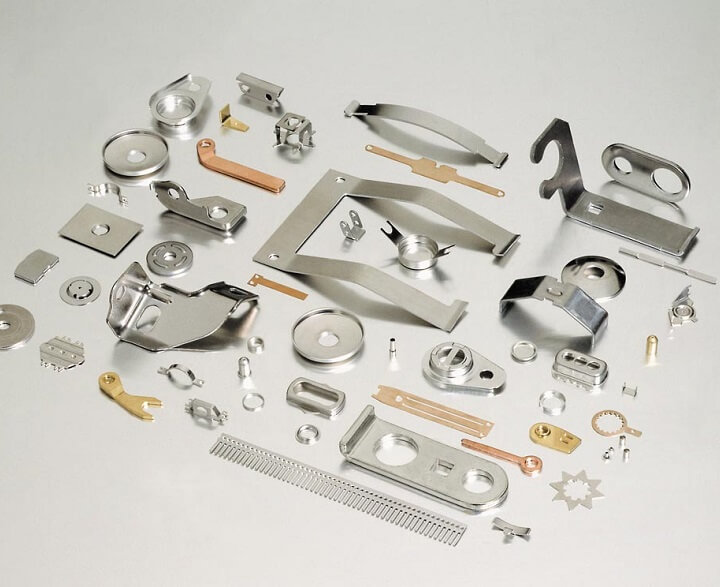
Stamping dies are widely used across various industries:
- Automotive & Motorcycle Industry: Production of body parts, vehicle frames, mechanical components, etc.
- Electrical & Electronics Industry: Processing of metal casings, shielding plates, circuit boards, etc.
- Household Appliance Industry: Stamping of kitchen appliance casings, fan components, washing machine parts, etc.
- Heavy Industry: Manufacturing of structural components, mechanical accessories, etc.